
Introduction
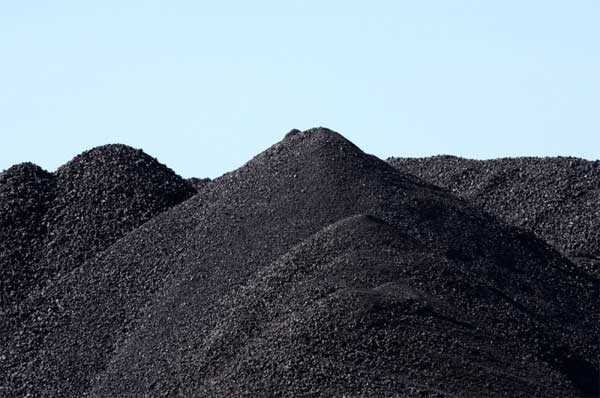
Coal is a hard rock which can be burned as a solid fossil fuel. It is mostly carbon but also contains hydrogen, sulphur, oxygen and nitrogen. It is a sedimentary rock formed from peat, by the pressure of rocks laid down later on top. Coal is defined as having more than 50 percent by weight (or 70 percent by volume) carbonaceous matter produced by the compaction and hardening of altered plant remains—namely, peat deposits. Different varieties of coal arise because of differences in the kinds of plant material (coal type), degree of coalification (coal rank), and range of impurities (coal grade). Although most coals occur in stratified sedimentary deposits, the deposits may later be subjected to elevated temperatures and pressures caused by igneous intrusions or deformation during orogenesis (i.e., processes of mountain building), resulting in the development of anthracite and even graphite. Although the concentration
Zai Trade International is involved in the mining of coal in Salt Range of Pakistan for decades and serving the different industrial sectors in Pakistan. With the passage of time company also involved in the trading of imported coal. The international trade of coal is carried out through our sister company “Frontline Exports Ltd”. The coal supplied by Zai Trade International can be categorized in to two categories:
- Local Coal
- Imported Coal
Local Coal
Zai Trade International is mining Coal in Salt Range since decades as a family business. We have 3 coal mines in salt range. However we have also coal purchase agreements with mining companies in KPK and Balochistan. In local coal our scope of supply can be further categorized as under
- Low GCV Coal
- Medium GCV Coal
- High GCV Coal
- High Plus GCV Coal
Specifications
Low GCV Coal
Specifications
| GCV Kcal/Kg | 3500 – 4500 |
| Size | 0 – 50 mm |
| Moisture | 6 – 10 % |
| Volatile Matter | 25 – 35 % |
| Ash | 25 – 35 % |
| Sulfur | 4 – 6 % |
Medium GCV Coal
Specifications
| GCV Kcal/Kg | 4500 – 5000 |
| Size | 0 – 50 mm |
| Moisture | 6 – 10 % |
| Volatile Matter | 25 – 35 % |
| Ash | 22 – 32 % |
| Sulfur | 3 – 6 % |
High GCV Coal
Specifications
| GCV Kcal/Kg | 5000 – 5500 |
| Size | 0 – 50 mm |
| Moisture | 6 – 10 % |
| Volatile Matter | 25 – 35 % |
| Ash | 18 – 28 % |
| Sulfur | 3 – 6 % |
High Plus GCV Coal
Specifications
| GCV Kcal/Kg | 6000 – 7000 |
| Size | 0 – 50 mm |
| Moisture | 8 – 15 % |
| Volatile Matter | 7 – 20 % |
| Ash | 14 – 22 % |
| Sulfur | 1 – 4 % |
Imported Coal
Zai Group is involved in trading of imported coal from following countries
- South Africa
- Indonesia
- Russia
- Afghanistan
Coal from South Africa
Specifications
| RB1 Specifications | |
| GCV Kcal/Kg | 6,000 |
| Moisture | 12.0% max |
| Volatile Matter | 22.0% min |
| Ash | 15.0% max |
| Sulphur | 1.0% max |
| HGI | 45 – 70 |
| Size | 0 – 50 mm |
| RB2 Specifications | |
| GCV Kcal/Kg | 5,800 |
| Moisture | 12.0% max |
| Volatile Matter | 25.0% min |
| Ash | 15.0% max |
| Sulphur | 1.0% max |
| HGI | 45 – 70 |
| Size | 0 – 50 mm |
| RB3 Specifications | |
| GCV Kcal/Kg | 5,500 |
| Moisture | 14.0% max |
| Volatile Matter | 20.0% min |
| Ash | 23.0% max |
| Sulphur | 1.0% max |
| HGI | 45 – 70 |
| Size | 0 – 50 mm |
Coal from Indonesia
Coal from Russia
Specifications
| GCV Kcal/Kg | 6000 |
| Size | 0 – 50 mm |
| Moisture | 10 – 12 % |
| Volatile Matter | 32 % |
| Ash | 10 % |
| Sulfur | 0.3% |
Coal from Afghanistan
Specifications
| GCV Kcal/Kg | 6000 – 6500 |
| Size | 0 – 50 mm |
| Moisture | 10 – 15 % |
| Volatile Matter | 25 – 35 % |
| Ash | 12 – 18 % |
| Sulfur | 1 % |